
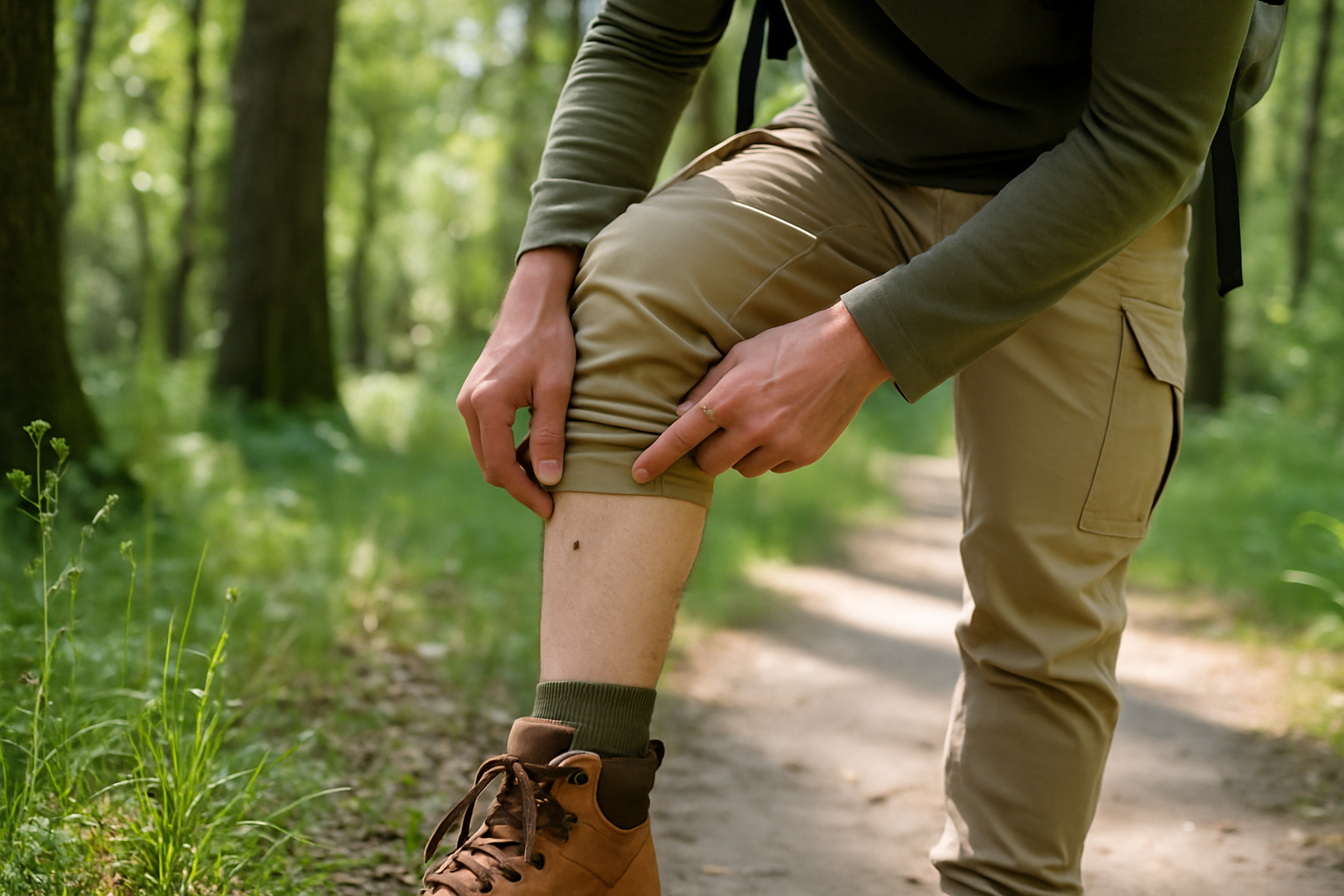
Ticks are tiny—but the illnesses they carry are serious
There’s currently no vaccine to prevent Lyme disease, which means your best defense is awareness and consistent prevention. Whether you’re hiking, gardening, camping, or simply enjoying time outdoors, take proactive steps to protect yourself and your family.
Why Tick Prevention Matters
Ticks can transmit bacteria, viruses, and parasites that cause serious illnesses, including:
-
Lyme disease
-
Powassan virus
-
Anaplasmosis
-
Ehrlichiosis
-
Rocky Mountain spotted fever
Tick bites can go unnoticed—and symptoms may not appear for days. That’s why prevention is key.
Before You Go Outdoors
-
Know where ticks live: Ticks thrive in moist, humid areas—especially wooded and grassy environments. Be alert even in your own yard.
-
Stick to the center of trails: Avoid walking through tall grass, shrubs, or leaf litter.
-
Wear long sleeves and pants: Light-colored clothing helps you spot ticks more easily.
Protect Your Skin and Clothing
-
Use EPA-registered repellents with 20% or more DEET for skin protection
-
Treat boots, pants, and gear with Permethrin—it kills ticks on contact and remains effective through several washings
Always follow product instructions. For children, parents should apply repellents and avoid the hands, eyes, and mouth. See guidelines from the American Academy of Pediatrics for more info on DEET safety for kids.
After Outdoor Activities
-
Shower within two hours to help remove any ticks that may not have attached yet
-
Do a full-body tick check, especially in hidden areas like the scalp, behind the ears, under arms, and around the waist
-
Check pets and gear to prevent ticks from hitching a ride indoors
If You’ve Been Bitten
If you develop a rash or fever after a tick bite, contact a healthcare provider right away. Early treatment is crucial for avoiding long-term complications.
For more detailed guidance, visit www.cdc.gov
With the right knowledge and gear, you can enjoy the outdoors without the worry. Tick-borne diseases are preventable—start with smart preparation.
