
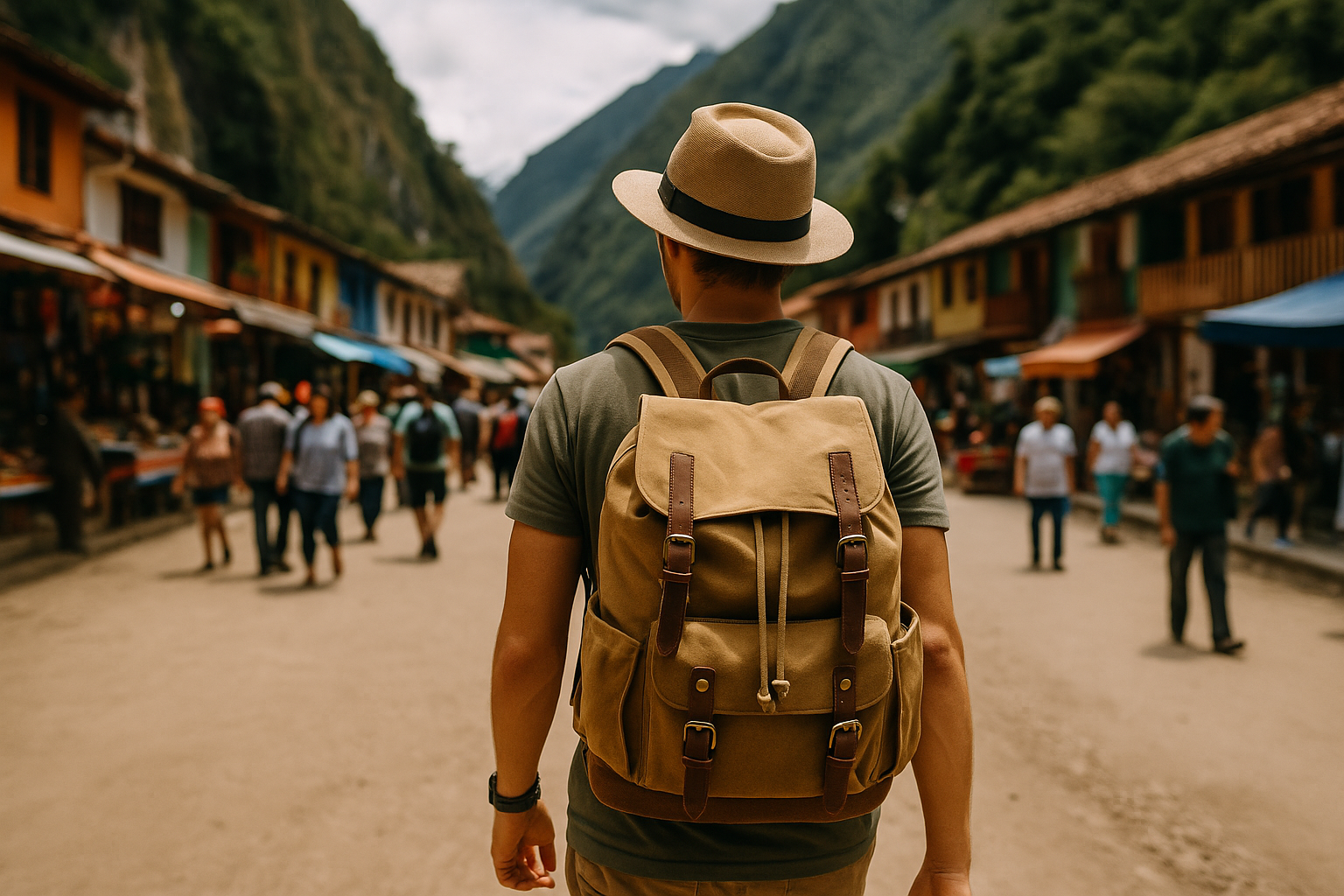
Your checklist for staying safe and healthy abroad
Traveling internationally—especially to developing countries—requires more than a passport and a suitcase. Health and safety preparation is essential. From vaccines to repellents, the right planning helps protect you from illness, discomfort, and disruption.
Here’s a quick guide to the essentials every smart traveler should consider:
1. Check Your Vaccinations
Not all vaccines offer lifelong protection. Some require boosters, and timelines vary:
-
Yellow Fever: Booster needed every 2 years
-
Other vaccines: Check with your doctor or travel clinic to review your schedule
Always plan vaccinations well before your departure date.
2. Protect Against Mosquito-Borne Illness
If you’re traveling to a malaria-risk region, take prescribed preventive medications. Also, follow CDC guidance by combining two key forms of protection:
-
Treat clothing with Duration™ Permethrin:
-
A synthetic version of a natural insecticide
-
Repels and kills mosquitoes and ticks on treated fabric
-
Effective for 6 weeks or 6 washes
-
-
Use Duration Lotion™ insect repellent:
-
Long-Lasting Protection: Duration™ provides up to 14 hours of protection against mosquitoes, including those that may carry Zika, Dengue, and West Nile viruses.
Sweat, Splash, and Water-Resistant: Designed for active use, it’s ideal for humid climates and outdoor travel.
Family-Friendly Formula: Safe for children 2 months and older, it’s hypoallergenic and pH-balanced, making it suitable for sensitive skin.
-
Treating both your skin and clothing can provide up to 99.9% protection.
3. Avoid Traveler’s Diarrhea
Prevent GI issues with a few simple precautions:
-
Take AssureGI® dietary supplement before each meal (3x/day)
-
Wash hands thoroughly and often
-
Be cautious with food and water—when in doubt, avoid it
4. Prevent DVT During Flights
Long flights increase your risk of deep vein thrombosis (DVT), a serious blood clot condition. Here’s how to reduce your risk:
-
Wear SIGVARIS® graduated compression socks
-
Move your feet and legs regularly
-
Walk the aisle every couple of hours
-
Stay hydrated, and avoid alcohol
-
Talk to your doctor about any personal risk factors
5. Pack a Medical Kit
Always carry a TSA-approved medical kit with basics like:
-
Pain relief and fever reducers
-
Antiseptic wipes and bandages
-
Electrolytes, cold meds, and motion sickness relief
-
Thermometers and gloves
We offer kits specially designed for business, mission, and adventure travel. If you haven’t had a travel health consult yet, we’re happy to recommend a clinic in your area.
Bonus: Ask us to include a free Travel Safety Tips brochure with your order.
Travel well, travel prepared. With the right tools, you can focus on the journey—not the risks.

Very informative article. Thanks!
I have fully read this article from A to Z.