
What travelers and at-risk residents need to know
Zika virus is a mosquito-borne illness that, while often mild or symptomless, carries serious risks—particularly during pregnancy. As global travel rebounds and extreme weather creates more standing water (a mosquito breeding ground), Zika prevention is more important than ever.
What Is Zika Virus?
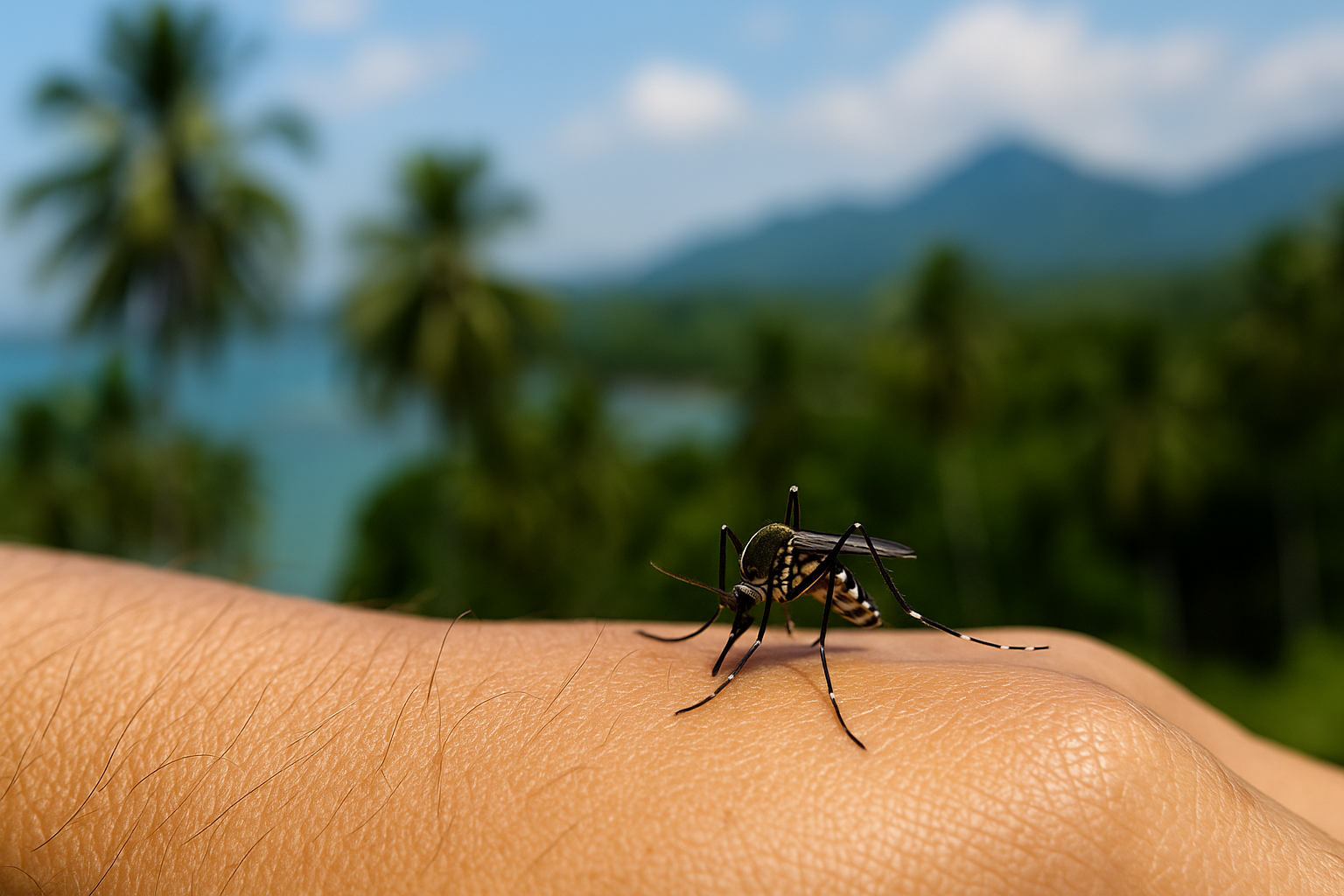
According to the CDC, Zika is caused by a virus transmitted primarily through the bite of an infected Aedes species mosquito. These mosquitoes are active during the day and are common in tropical and subtropical regions.
Common Symptoms Include:
-
Fever
-
Rash
-
Joint pain
-
Red eyes (conjunctivitis)
-
Muscle pain and headache
For most people, symptoms are mild and last less than a week. In fact, many people infected with Zika may not even realize it.
Why Zika Is So Concerning
The real danger lies in the effects of Zika during pregnancy. Infection can lead to severe fetal brain defects such as microcephaly, as well as other neurological issues.
Zika can also be transmitted sexually, which means even travelers returning from at-risk areas can unknowingly infect their partners.
How Zika Spread Was Handled
-
In January 2016, the CDC activated its Emergency Operations Center to respond to Zika outbreaks in the Americas.
-
By February 2016, the World Health Organization had declared a Public Health Emergency of International Concern.
-
The CDC elevated its response to Level 1, its highest alert level.
Since then, the CDC has worked closely with local and international health agencies to:
-
Issue travel alerts
-
Distribute diagnostic tests
-
Educate healthcare providers and the public
-
Track and report Zika infections
Zika in the United States
While the U.S. has seen limited local transmission, Broward County in Miami, Florida has been one of the hardest-hit regions. Southern states are at higher risk, especially after storms and hurricanes that leave behind standing water.
Additionally, travelers returning from Zika-prone regions can bring the virus back unknowingly and spread it through sex.
How to Protect Yourself
There is no vaccine for Zika, so prevention is key. The CDC recommends the following:
-
Permethrin-treated clothing to repel mosquitoes
-
EPA-registered insect repellents for skin
-
Mosquito Dunks to kill larvae in standing water
-
Mosquito nets (treated or untreated) for sleeping
-
Condoms to prevent sexual transmission
Zika Protection Kits from Traveler’s Supply
To make prevention easier, we offer:
-
A Zika Travel Kit: includes skin and clothing repellents for travelers
-
A Zika Prevention Kit: ideal for home use in areas at risk
Both are curated with CDC guidelines in mind and offer essential protection for individuals and families.
Stay Informed. Stay Protected.
With the potential for increased outbreaks following storms and travel surges, preparedness and protection are essential. If you experience symptoms—or have concerns after returning from a Zika-prone area—contact a medical professional for a urine or blood test.
When it comes to Zika, awareness is protection.
