
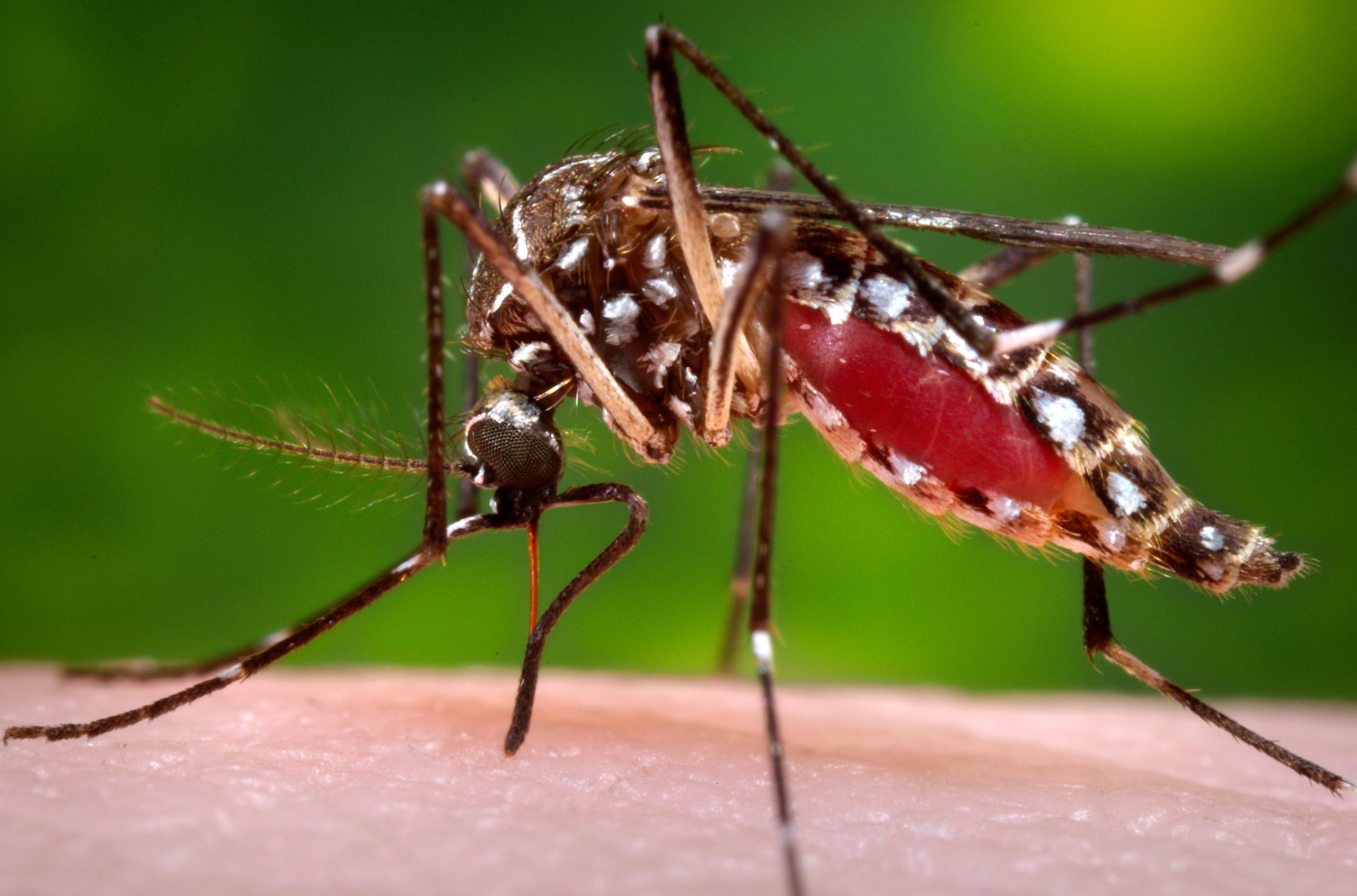
According to the CDC (Center for Disease Control) Zika virus disease (Zika) is a disease caused by the Zika virus, which is spread to people primarily through the bite of an infected Aedes species mosquito. The most common symptoms of Zika are fever, rash, joint pain, and conjunctivitis (red eyes). The illness is usually mild with symptoms lasting for several days to a week after being bitten by an infected mosquito. People usually don’t get sick enough to go to the hospital, and they very rarely die of Zika. For this reason, many people might not realize they have been infected. However, Zika virus infection during pregnancy can cause a serious birth defect called microcephaly, as well as other severe fetal brain defects. Once a person has been infected, he or she is likely to be protected from future infections. Zika virus can be spread during sex by a man infected with Zika to his sex partners.
On January 22, 2016, CDC activated its Incident Management System and, working through the Emergency Operations Center (EOC), centralized its response to the outbreaks of Zika occurring in the Americas and increased reports of birth defects and Guillain-Barré syndrome in areas affected by Zika. On February 1, 2016, the World Health Organization declared a Public Health Emergency of International Concern (PHEIC) because of clusters of microcephaly and other neurological disorders in some areas affected by Zika. On February 8, 2016, CDC elevated its response efforts to a Level 1 activation, the highest response level at the agency.
CDC is working with international public health partners and with state and local health departments to
Alert healthcare providers and the public about Zika.
Post travel notices and other travel-related guidance.
Provide state health laboratories with diagnostic tests.
Monitor and report cases of Zika, which will helps improve our understanding of how and where Zika is spreading.
